

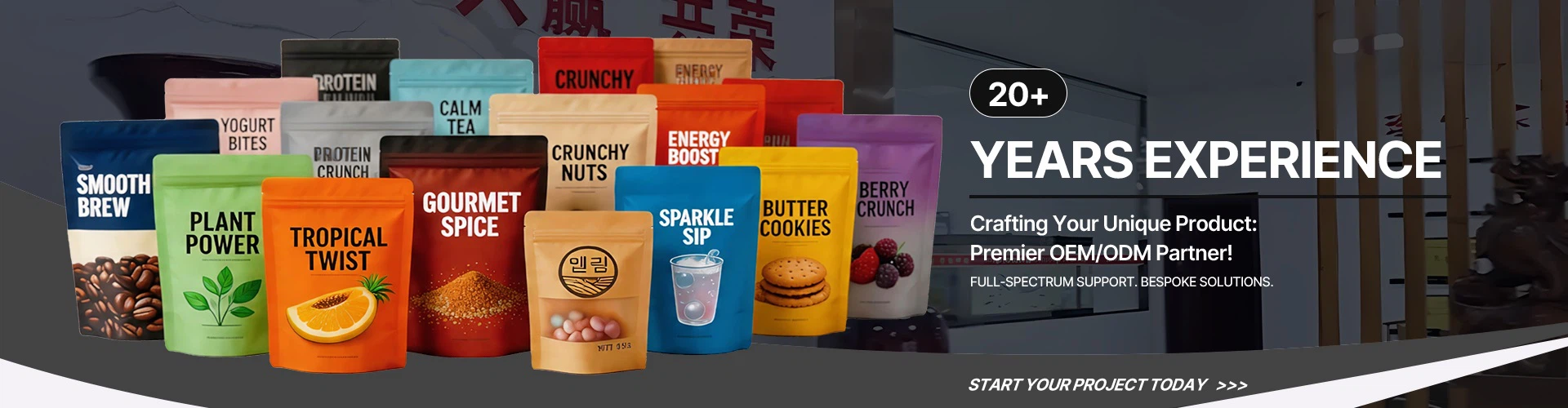
The production of embossed printing bags is a meticulous systematic process. From rolls of plastic film to the colorful packaging bags in our hands, the main steps involved are:
Pre-printing preparation and plate making - Intaglio printing - Lamination (for multi-layer bags) - Cutting - Bag manufacturing. Below, we will break down each step in detail:

Stage 1: Pre-press Preparation and Plate Making
Draft design and confirmation: First, communicate with the client to determine the size, pattern, color and text of the bag. During the design process, it is necessary to clearly define the bag type (such as three-side sealing, mid-bottom sealing) and the printing method (inner printing or surface printing).
Proofing (electronic engraving): The intaglio printing plate is a copper cylinder with countless tiny depressions engraved on its surface. Currently, the mainstream method is electronic engraving for proofing. It will carve different depths of holes on the plate cylinder according to the design draft, to hold the ink. The deeper the hole, the more ink it can hold, and the darker the color printed.
Stage 2: Intaglio Printing
Rolling and plate mounting: Install the printing substrate (such as BOPP, PET film) on the unwinding device, and at the same time insert the pre-made printing cylinder into the printing unit.
Mixing ink: According to the customer's specified color, prepare special color inks and control the viscosity properly. For intaglio printing, the ink has a low viscosity and dries quickly. During the printing process, solvents need to be added automatically or manually to maintain the stability of the viscosity.
Printing process: As the film passes between the printing plate and the impression cylinder, the pressure transfers the ink in the mesh holes onto the film.
Drying and Cooling: After each color is printed, the film immediately enters the drying oven. The hot air removes the solvents in the ink, causing the ink layer to solidify. Then it passes through the cooling rollers to be cooled and shaped, preventing the film from deforming due to heat.
Rolling up the prints: After all the color prints are completed, the long printing films are neatly rolled up into a roll shape and await the next process.

Stage 3: Composites (for multi-layer structure bags)
Many packaging bags (such as snack bags, vacuum bags) require the combination of multiple materials to achieve specific properties.
Coating and Drying: A layer of adhesive is evenly applied to the surface of the printed film, and then it is dried in an oven.
Composting: Combine another material (such as CPP, PE film or aluminum foil) with the coated printed film under high temperature and high pressure using a press roller.
Stage 4: Cutting
The wide rolls of composite or printed film need to be cut into several narrow rolls of the required width according to the specifications of the bag-making machine or the customer's requirements.
Stage 5: Bag Making
Heat sealing and cutting: Place the cut rolls of film onto the bag-making machine. Using a heated sealing knife, through the combined effects of pressure, temperature and time, the inner layer of the film (usually a heat-sealable material such as CPP or PE) is melted and bonded together to form the bag's sealing edge (such as three-side sealing or back sealing), while also cutting the separation between one bag and the next.
Collecting finished products: At the end of the bag-making machine, the finished individual bags will be automatically collected and preliminarily sorted.

Comprehensive quality control throughout the process
Throughout the entire process, quality control is present everywhere:
Printing process: An online inspection system or human operators will conduct real-time checks to ensure that the color registration is accurate and to look for any flaws such as ink spots or lines.
Key process: Conduct random inspections on key indicators such as print fastness (tape test), composite strength, and heat sealing strength.
Final product inspection: Check the size of the finished product bags, whether the seals are tight, and whether the patterns are complete, etc.
After learning about the entire process of intaglio-printed bags, do you want to know the specific operational details of a certain step? Please leave a message at the end of the article. I will be more than happy to answer your questions for you.