

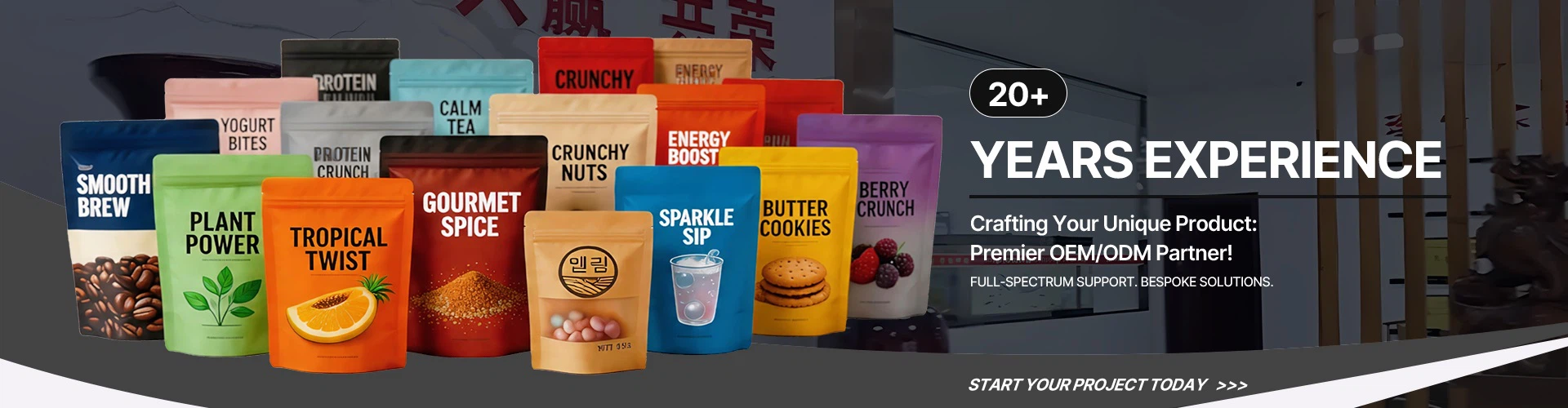
As an important product in the packaging industry, flat-bottom bags are widely used in food, daily chemicals, industrial products and other fields. Its production process seems simple, but in order to ensure quality while meeting the high standards of foreign trade customers, a series of key skills need to be mastered. This article will comprehensively analyze the key points of flat-bottom bag production from material selection, production process to export precautions.
Material selection determines basic quality
The material of the flat-bottom bag directly affects its load-bearing capacity, durability and environmental protection. Foreign trade orders usually have strict standards for materials, such as food-grade PE, PP or composite films. When selecting materials, attention should be paid to thickness uniformity. Too thinness can easily lead to rupture, and too thickness will increase costs. In addition, the tensile strength and moisture resistance of the material must also meet the regulatory requirements of the target market, such as the EU's REACH compliance regulations for plastic packaging.
Key control points of the production process
The production process of flat-bottom bags includes printing, lamination, bag making and other links. The printing link needs to ensure that the pattern is clear and the color is accurate, especially foreign trade orders often require multi-language labels and barcodes, which need to be proofread in advance to avoid errors. In the composite process, the choice of glue is crucial, and it is necessary to ensure that the interlayer adhesion is firm and non-toxic. When making bags, the strength of the bottom heat seal directly affects the load-bearing capacity. It is recommended to use a three-side seal or a self-supporting bag structure to enhance stability.
Precautions for foreign trade exports
Pay special attention to packaging and certification requirements for export flat-bottom bags. First, outer box reinforcement is the key to preventing transportation damage. It is recommended to use a five-layer corrugated box and add a moisture-proof film. Secondly, the target market may require specific certifications, such as the US FDA and the EU LFGB, which need to be confirmed with the customer in advance and the corresponding documents provided. In addition, the terms in the foreign trade contract must clearly specify details such as dimensional tolerances and load-bearing standards to avoid disputes due to differences in understanding.
Mastering these skills can not only improve the production quality of flat-bottom bags, but also enhance competitiveness in the international market. With the strengthening of environmental protection trends, the application of degradable materials will also become an important direction in the future. Foreign trade companies need to keep up with industry trends and continuously optimize production processes to meet the needs of global customers.