

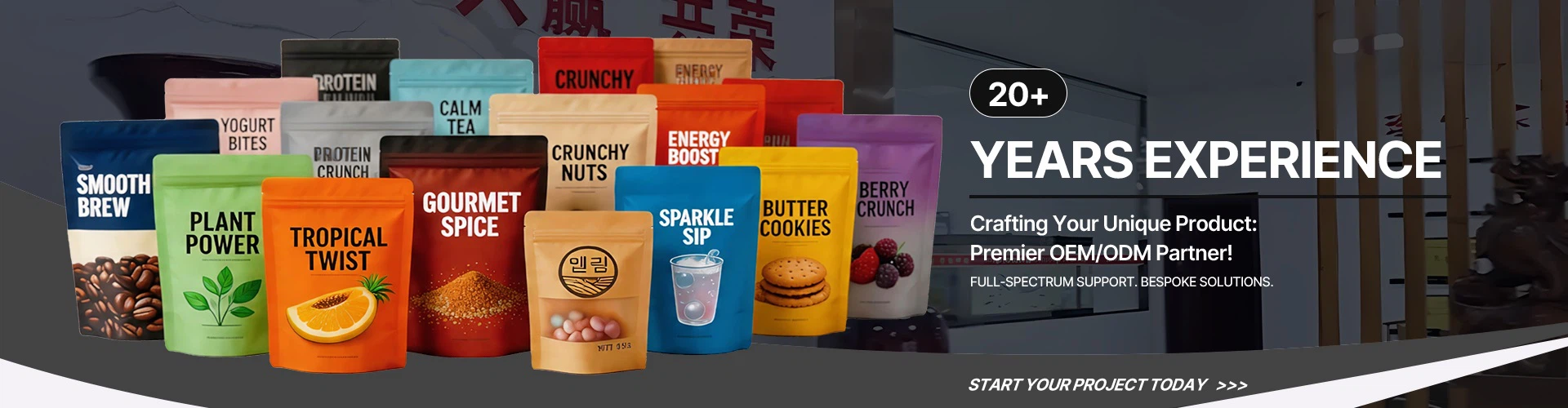
In today's fast-paced business environment, packaging not only carries the basic function of protecting products, but also becomes an important part of brand display and user experience. As an efficient and versatile packaging solution, flat-bottom bags are favored by more and more industries. Whether it is food, daily necessities or industrial products, flat-bottom bags have become the first choice of many companies with their unique advantages.
The design of flat-bottom bags is inspired by traditional envelope bags, but the flat structure at the bottom allows them to be placed upright, greatly improving the display effect and space utilization. This design not only makes it convenient for consumers to take products, but also forms a neat display on the shelves, enhancing visual appeal. For retailers, the upright characteristics of flat-bottom bags help save shelf space, increase the density of product display, and thus improve sales efficiency.
In terms of material selection, flat-bottom bags usually use plastic materials such as polyethylene (PE) and polypropylene (PP), which have excellent moisture-proof, oil-proof and tear-resistant properties, and can effectively protect the products inside. In addition, with the increasing awareness of environmental protection, more and more flat-bottom bags are beginning to use degradable or recyclable materials to meet the market's demand for sustainable packaging. This environmental protection trend is not only in line with the direction of global green development, but also establishes a responsible brand image for enterprises.
Flat-bottom bags have a wide range of applications. In the food industry, it is often used to package dry foods such as snacks, dried fruits, and coffee; in the field of daily necessities, it can accommodate granular or powdered products such as laundry detergent and pet food; in the industrial field, flat-bottom bags are used to package chemical raw materials, plastic particles, etc. Its flexible design and diverse size options enable it to adapt to the needs of different industries.
In the future, with the continuous advancement of packaging technology, the functionality and aesthetics of flat-bottom bags will be further improved. The addition of innovative elements such as smart packaging and personalized design will inject new vitality into the flat-bottom bag market. For foreign trade companies, choosing a high-quality flat-bottom bag can not only enhance product competitiveness, but also provide strong support for brands to open up a broader international market.