

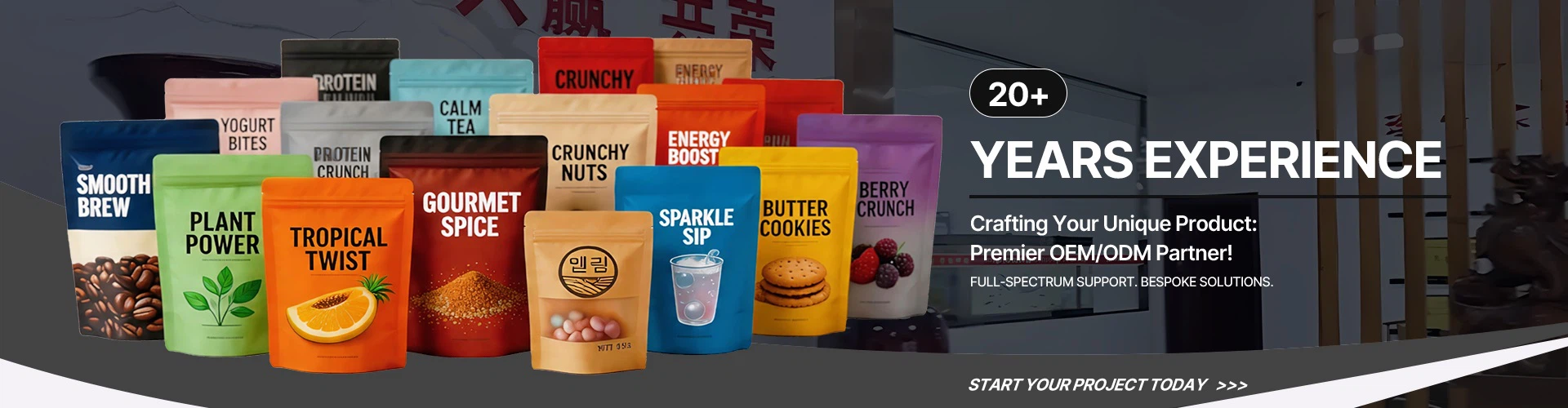
"500 customized packaging boxes, 2000 variable data self-adhesive labels, and 10,000 e-commerce soft packaging bags - " such small-batch orders are becoming the new normal in the printing factory's workshop. Driven by personalized consumption and the need for rapid trial and error, the traditional mass-order model is facing challenges.
At present, the proportion of small orders in the domestic clothing manufacturing sector has reached 70%, and the fragmented order demand is becoming increasingly evident. Meanwhile, in the cosmetics packaging industry, with an average annual growth rate of 12.3%, personalized customization has contributed more than 30% of the increase.Small-batch customized packaging is no longer an optional choice; it is a necessary answer for survival.

01.Driving Factors of Small Batch Customized Packaging
The consumers' desire for personalized products is becoming increasingly strong. Among the Z-generation consumers, 76.4% are willing to pay a premium of more than 20% for unique packaging designs. This demand has prompted brands to rethink their packaging strategies, shifting from mass production to flexible supply.
The core advantage of small-batch customized packaging lies in helping brands reduce the cost of trial and error. Traditional packaging production has a long cycle and requires a large order quantity, making it extremely risky for brands to launch new products. Digital printing technology enables "editionless printing", making small-batch orders economically feasible.
The rise of e-commerce and new media has completely changed the product launch rhythm. New business models such as short-video e-commerce and live-streaming e-commerce require brands to respond quickly to market changes, and their packaging must also adapt to the "small batch, quick delivery" model.
Sustainable development has become another important driving force. With stricter environmental protection policies, the EU's "Single-Use Plastics Directive" and the UN's "Resolution to End Plastic Pollution" have led to a significant increase in the demand for environmentally friendly packaging. Small batch production reduces inventory waste and is in line with the concept of sustainable development.
02.The small-batch customization characteristics of three types of packaging products
The demand for small-batch customization in the self-adhesive label sector is prominent. With the explosive growth of e-commerce logistics, the market size of packaging tapes increased by 15% in 2023. The application of self-adhesive labels has expanded from product identification to scenarios such as logistics traceability and anti-counterfeiting certification.
Digital printing technology enables self-adhesive labels to achieve "one item, one code" precise marketing, and variable data printing meets the personalized marketing needs of brands.
The small-batch customization of flexible packaging bags is emerging as a new growth area. Food and beauty brands use small-batch plastic bags for sample production of new products. They can place orders for small batches of up to 500 pieces, significantly reducing the cost of trial and error.
Digital printing technology precisely reproduces the design, enabling enterprises to quickly verify the packaging effect and avoiding the risks of large-scale production.
The small-batch demand for color box packaging mainly comes from high-end consumer brands. The cosmetics packaging industry is expected to maintain an average annual growth rate of 12.3% from 2025 to 2030, and the market size will exceed 100 billion yuan by 2030. High-end color boxes focus on material and process innovation, and the market share of biobased materials will increase from 8% in 2024 to over 40% by 2030.

03.Digital Printing and Intelligent Production
Digital printing is the technical foundation for small-batch customization. Compared with traditional printing, digital printing eliminates the plate-making process, significantly reducing the cost of small-batch production. This makes "one book at a time, each book different" on-demand publishing possible.
Intelligent production processes enhance the efficiency of small-batch orders. The AI scheduling system significantly shortens the delivery cycle for customized orders; the intelligent sorting center, through the collaboration of machine vision and robots, greatly improves the packaging efficiency.
Color management is a key technical challenge in small-batch customization. Customers have extremely high requirements for the consistency of brand colors. There are differences in color performance between digital printing and traditional printing. Establishing a scientific color management system is the key to ensuring the stable quality of small-batch orders.

04.The Realistic Problems of Small-Batch Customized Production
Cost control is the main challenge in small-batch customization. The unit cost of digital printing materials is much higher than that of traditional printing. Factories must precisely calculate the break-even points of both technologies. Some enterprises have experienced operational problems, indicating that small-batch customization requires systematic capabilities rather than mere conceptual hype.
The design capability is highly demanding. Customization on a small scale often involves highly personalized design requirements, which place even higher demands on the design teams of enterprises. Introducing AIGC tools to assist in the design process has become one of the solutions.
Supply chain collaboration is challenging. Small batch orders mean more frequent order changes, more complex material preparation, and more detailed production planning. Century Kaiyuan has achieved an average order delivery time of no more than 24 hours by building a full-process intelligent manufacturing system, and has served over 60 million users cumulatively.
In summary, in the face of the inevitable trend of small-batch customization, traditional printing factories do not need to blindly invest heavily. By leveraging YingFei's platform capabilities, enterprises can upgrade to a "large-batch + small-batch" comprehensive service provider with low risks and high efficiency, seizing the initiative in the fragmented market.