

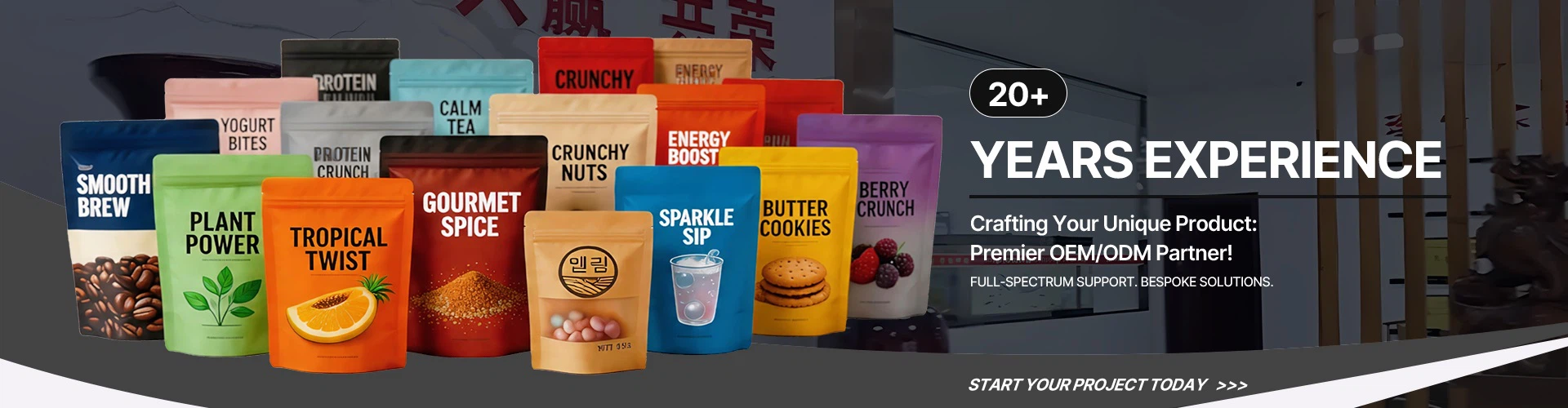
In today's fast-paced logistics and retail environment, the efficiency and practicality of packaging solutions have become the focus of enterprises. As a cost-effective packaging form, flat bags are gradually becoming the first choice for many industries. Its simple design and versatility make it widely used in e-commerce, food, daily necessities and other fields, providing reliable support for supply chain management.
The biggest feature of flat bags is its compact structure and lightweight design. Compared with traditional three-dimensional packaging, flat bags take up less storage space when unfilled, significantly reducing transportation costs. This feature makes it particularly suitable for large-scale logistics distribution, especially in the e-commerce industry, where flat bags can easily adapt to automated sorting systems to improve order processing efficiency. In addition, the production materials of flat bags usually include environmentally friendly options such as polyethylene and polypropylene, which meets the needs of modern enterprises for sustainable development.
In terms of functionality, flat bags show strong adaptability. By adjusting the material thickness and sealing technology, flat bags can meet the protection requirements of different products. For example, the food industry often uses flat bags made of multi-layer composite materials to ensure moisture, oxygen and UV resistance to extend the shelf life of products. In the industrial field, thickened flat bags are used to package hardware parts or chemical raw materials to provide additional puncture protection.
Market trends show that the demand for flat bags is continuing to grow with the expansion of e-commerce and express delivery industries. Consumers' preference for convenient packaging and companies' emphasis on cost control have jointly driven the prosperity of this market. At the same time, technological innovation has also brought more possibilities to flat bags, such as the application of degradable materials and smart labels, which further enhances their environmental friendliness and functionality.
In the future, with the advancement of material science and manufacturing processes, flat bags are expected to demonstrate their value in more areas. Whether it is to simplify supply chain processes or respond to global environmental initiatives, flat bags will continue to play an important role and become an indispensable part of modern packaging solutions.