

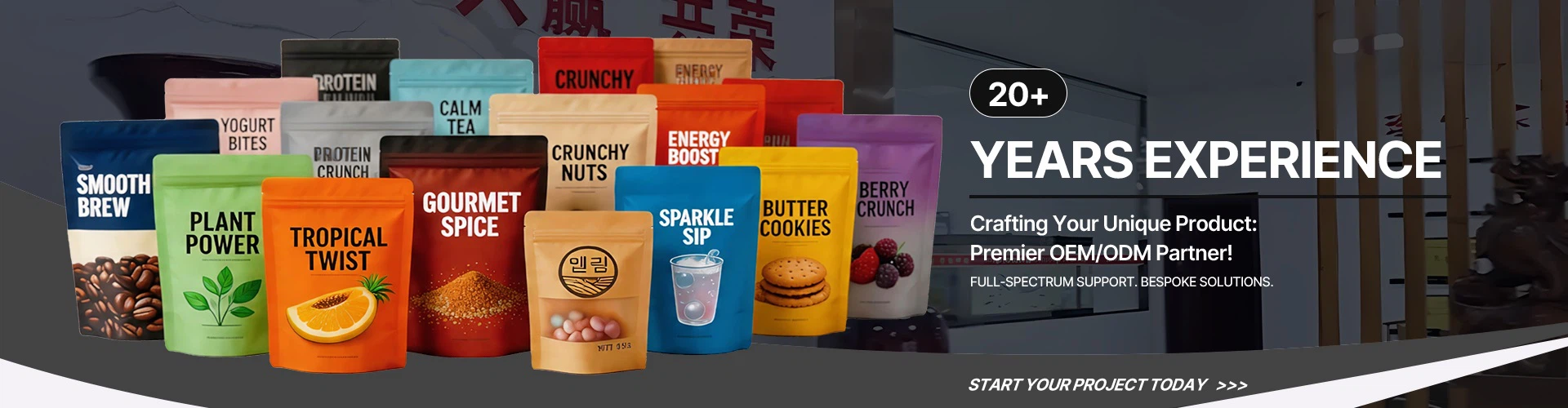
In the plastic packaging bag industry, printing technology directly affects the appearance, quality, and cost of products. Traditional printing methods such as gravure printing and flexographic printing have long dominated the industry, but in recent years, digital printing technology has emerged as a powerful new force, transforming the industry landscape with its flexibility, efficiency, and environmental friendliness. So, what exactly is digital printing? How is it applied to plastic packaging bags? What are its advantages and challenges? This article will answer all these questions for you.

1.What is Digital Printing?
Digital printing is a method that does not require plate making and directly uses computer-controlled inkjet or laser technology to print patterns onto materials. Compared to traditional printing, it eliminates the complex plate making and color matching processes, enabling a production model that supports small batches, personalization, and rapid delivery.
In the plastic packaging bag industry, digital printing primarily employs UV inkjet technology or water-based ink printing, enabling direct printing on plastic films such as PE, PP, and PET. This technology is suitable for various applications, including food bags, shopping bags, and industrial packaging.

2.Digital Printing vs Traditional Printing
(1). Limitations of traditional printing:
High plate making costs: Intaglio printing requires engraved printing plates, which are suitable for large-volume production, but extremely costly for small orders.
Complex color matching: Each color change requires cleaning the machine, wasting ink and time.
Poor flexibility: Pattern modifications require re-making plates, making it difficult to adapt to personalized needs.
(2). Advantages of digital printing:
No need for plate making: computer designs can be printed directly, saving time and costs.
High efficiency for small batches: even a single bag can be printed, making it suitable for customized orders.
Precise colors: digital color adjustment technology can reproduce complex patterns and gradient effects.
Environmentally friendly and low waste: no solvent residue, reducing ink pollution.

3. Applications of Digital Printing in the Plastic Packaging Bag Industry
(1) Personalized Custom Packaging
E-commerce platforms and brands are increasingly leaning toward customized packaging, which digital printing can easily achieve:
Variable data printing (e.g., different barcodes, QR codes).
Limited edition patterns (holiday editions, collaboration editions).
Customer-specific logos (corporate promotional bags, event giveaways).
(2) Quick Delivery for Short-Run Orders
Traditional printing typically has a delivery cycle of 15–25 days, while digital printing can be completed within 7 days, making it particularly suitable for urgent orders.
(3) Environmental Packaging Trends
Since digital printing uses UV or water-based inks, it is more environmentally friendly than traditional inks and complies with EU REACH, FDA, and other food contact safety standards.