

The root cause of these "deterioration puzzles" lies in the barrier property of packaging - the ability to prevent external factors such as oxygen and water vapor from invading. Oxygen transmission rate (OTR) and water vapor transmission rate (WVTR) are core indicators: the lower the OTR, the more difficult it is for oxygen to enter. The smaller the WVTR, the better the moisture-proof effect and the longer the shelf life of the product.

Oxygen transmission rate (OTR) and water vapor transmission rate (WVTR) are the core indicators for measuring the barrier properties of packaging. Simply put, OTR represents the material's ability to "pass through oxygen", and WVTR represents its ability to "pass through water vapor". The lower the value, the tighter the "defense".
The principle by which gas passes through packaging material is similar to that of a balloon leaking - the concentration difference is the driving force. When the gas concentrations on both sides of the material are different, molecules will migrate from the high-concentration side to the low-concentration side. Dense materials like aluminium foil can significantly reduce OTR and WVTR, keeping oxygen and water vapor out.
Interpretation of Key Indicators of Professional OTR/WVTR Testing Instruments
OTR unit "cm³/(m²·24h)" : The number of milliliters of oxygen passing through per square meter per day
WVTR unit "g/(m²·24h)" : The number of grams of water vapor passing through per square meter per day
The lower the value, the stronger the barrier property.
Pharmaceutical packaging: Pharmaceutical aluminum-plastic film must comply with the YBB00132002 standard, with OTR≤0.5 cm³/m²·24h and WVTR≤1.5 g/m²·24h
Food contact materials: GB/T 41169-2021 requires that the solvent residue be ≤5mg/m²
In the three-layer structure of PET/AL/PE of aluminum-plastic composite bags, the aluminum foil (AL) layer is the barrier core: the outer PET provides strength, the inner PE is responsible for sealing, and the aluminum foil builds "three lines of defense" .

The dense metallic crystal structure of aluminum foil can press OTR to less than 0.1 cm³/m²·24h and reduce WVTR to below 0.5 g/m²·24h, which is far superior to pure plastic bags (OTR approximately 43.37 cm³/m²·24h, WVTR approximately 18.6 g/m²·24h).
Aluminum foil has a reflectivity of 88% for ultraviolet rays and visible light, completely blocking light penetration and preventing the contents from deteriorating due to photochemical reactions. The transparency of pure plastic bags makes components such as oils and vitamins prone to oxidation.
After being compounded with PET and PE, aluminum foil combines high strength, heat resistance and sealing performance. It can withstand high-temperature cooking at 121℃ and low-temperature cooking at -50℃, far exceeding the performance limitations of pure plastic bags.
The dense metallic crystal structure of aluminum foil can press OTR to less than 0.1 cm³/m²·24h and reduce WVTR to below 0.5 g/m²·24h, which is far superior to pure plastic bags (OTR approximately 43.37 cm³/m²·24h, WVTR approximately 18.6 g/m²·24h).
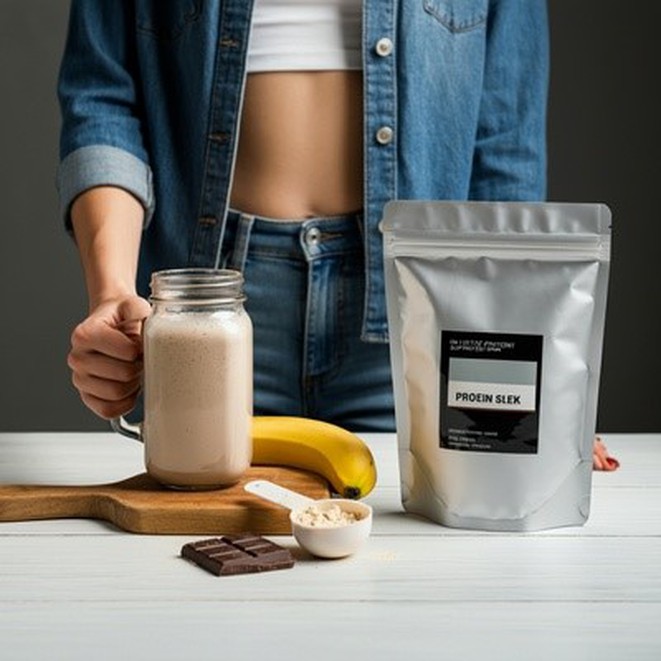
Aluminum foil has a reflectivity of 88% for ultraviolet rays and visible light, completely blocking light penetration and preventing the contents from deteriorating due to photochemical reactions. The transparency of pure plastic bags makes components such as oils and vitamins prone to oxidation.
After being compounded with PET and PE, aluminum foil combines high strength, heat resistance and sealing performance. It can withstand high-temperature cooking at 121℃ and low-temperature cooking at -50℃, far exceeding the performance limitations of pure plastic bags.