

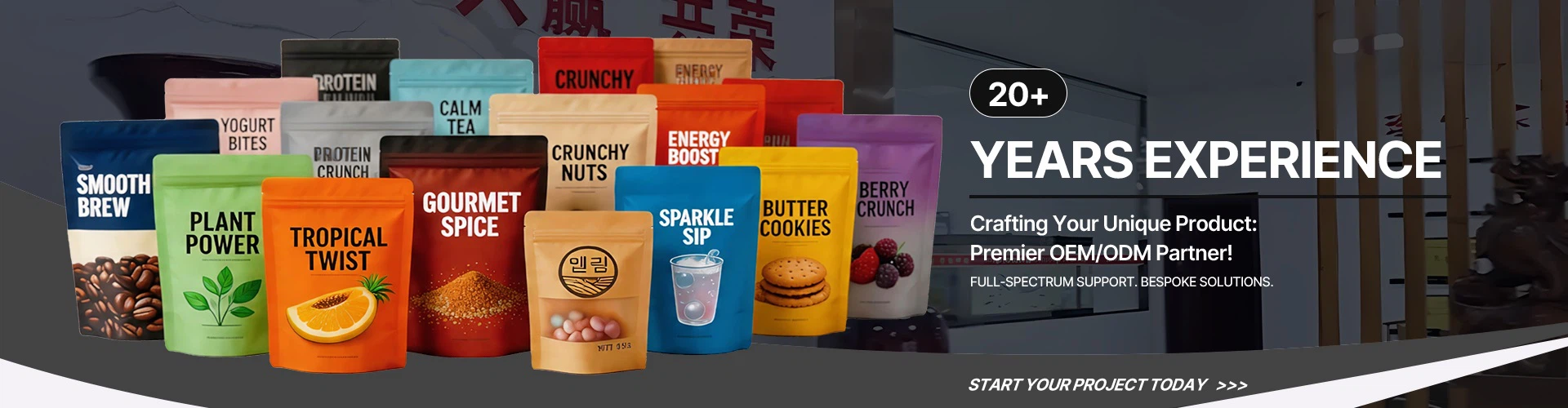
As a widely used flexible packaging form in the modern packaging field, flat-bottom bags have become an important choice for the food, daily chemical, pharmaceutical and other industries due to their light, durable and environmentally friendly characteristics. Whether it is used for retail packaging or industrial transportation, mastering the correct use skills can not only improve the product protection effect, but also optimize costs and efficiency. This article will explore the use skills of flat-bottom bags in depth to help foreign trade practitioners better use this packaging solution.
First of all, the load-bearing capacity of flat-bottom bags is one of its core advantages. Due to the flat bottom design, it can disperse the pressure more evenly than the traditional three-side sealed bags, and is suitable for loading heavier items, such as granular foods, small hardware accessories, etc. When using, it is recommended to reasonably control the loading weight according to the material and thickness of the bag to avoid rupture or deformation of the bag due to overloading. For example, flat-bottom bags made of polyethylene (PE) have a strong load-bearing capacity, while polypropylene (PP) is more suitable for lightweight products.
Secondly, the sealing method directly affects the sealing and preservation effect of the flat-bottom bag. Common sealing methods include heat sealing, self-adhesive sealing and rope sealing. For food flat-bottom bags, heat sealing is the most commonly used method, which can effectively isolate air and moisture and extend the shelf life. Daily chemical or pharmaceutical products may require more precise sealing processes to ensure that the products are not contaminated. When choosing a sealing method, foreign trade companies need to combine product characteristics and transportation environment to ensure the reliability of packaging.
In addition, the stacking and storage of flat-bottom bags also require attention to skills. Due to the flat bottom design, it has high stability and is suitable for multi-layer stacking and storage, but excessive squeezing should be avoided, especially when loading fragile items. It is recommended to use trays or partitions when stacking to disperse pressure and prevent deformation of the bag body. At the same time, the storage environment should be kept dry and ventilated, and avoid direct sunlight to prevent material aging or discoloration.
Finally, environmental protection is another highlight of flat-bottom bags. Many flat-bottom bags are made of recyclable or degradable materials and meet international environmental standards. Foreign trade companies can enhance the competitiveness of their products in the international market by choosing flat-bottom bags made of environmentally friendly materials, while responding to the trend of global sustainable development.
Mastering the use of flat-bottom bags can not only improve packaging efficiency, but also provide customers with better product protection solutions. I hope this article can provide practical reference for foreign trade practitioners and help business growth.